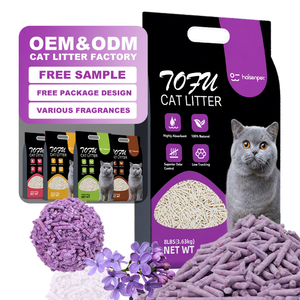
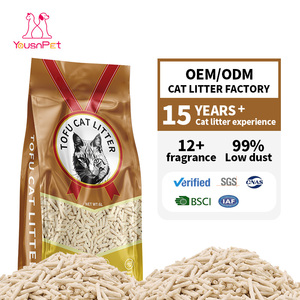
Deep-Dive Analysis: Supplying Commercial & Private Label Cat Litter to the Greater Paris Metropolitan Region
As the European pet care market undergoes a seismic shift toward premiumization, environmental sustainability, and ultra-performing sanitation substrates, the Greater Paris metropolitan area (Île-de-France) presents a distinct micro-economic environment for pet brand owners, supermarket category managers, and wholesale distributors. Managing commercial cat litter supply chains for Paris requires navigating high-density urban living standards, historical Haussmannian building architectural constraints, stringent municipal waste separation policies under the French AGEC Law (Loi Anti-Gaspillage pour une Économie Circulaire), and elevated consumer demands for low-tracking, odor-locking substrates.
As China’s leading commercial cat litter manufacturer and vertically integrated production factory, our manufacturing infrastructure is uniquely optimized to engineer, export, and supply high-capacity plant-based (tofu, cassava, corn) and high-purity mineral (calcium & sodium bentonite) litter solutions directly to Parisian importers. This technical whitepaper establishes the engineering standards, localized purchasing behaviors, supply chain logistics, and material science required to capture market share in France’s most competitive pet care sector.
Key Market Insight for Paris Importers: Over 68% of Parisian cat owners reside in apartments under 60 square meters with minimal balcony ventilation. Substrates must deliver immediate encapsulation of volatile organic compounds (VOCs) and ammonia while maintaining strict 99.5% dust-free guarantees to preserve indoor air quality.
1. Urban Parisian Demographics & Local Substrate Dynamics
The consumer dynamics of Paris contrast sharply with suburban or rural pet markets across Western Europe. Urban feline husbandry in central Paris (1st through 20th Arrondissements) is defined by compact residential footprints, hardwood parquet flooring susceptible to abrasive tracking, and communal plumbing infrastructure that demands strict evaluation of flushable waste streams. Consequently, the commercial demand in Paris has shifted rapidly across three main product categories:
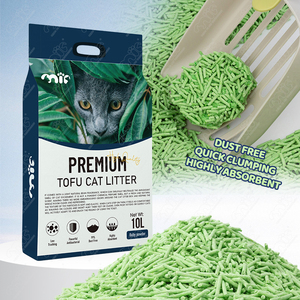
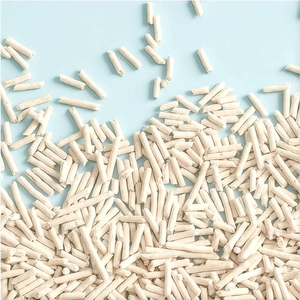
- Plant-Based Tofu Granules (Pea & Corn Starch Formulations): Highly preferred for their rapid bio-degradation, zero-synthetic chemical footprint, and flushability in modern wastewater lines. 1.5mm to 2.0mm extruded pellets reduce paw-tracking on delicate apartment flooring.
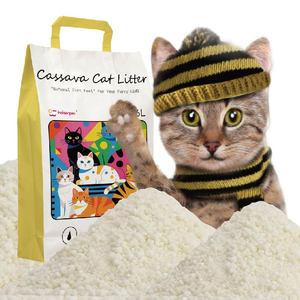
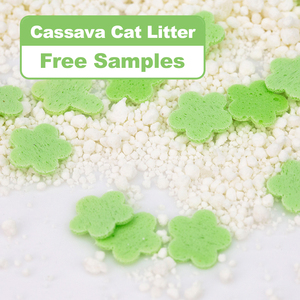
- Fine-Granule Cassava Litter: Emerging as the fastest-growing premium plant substrate in French boutique pet shops. Cassava's ultra-high amylopectin content yields a pale, aesthetically clean granule with clump hardness matching mineral bentonite while remaining 100% compostable.
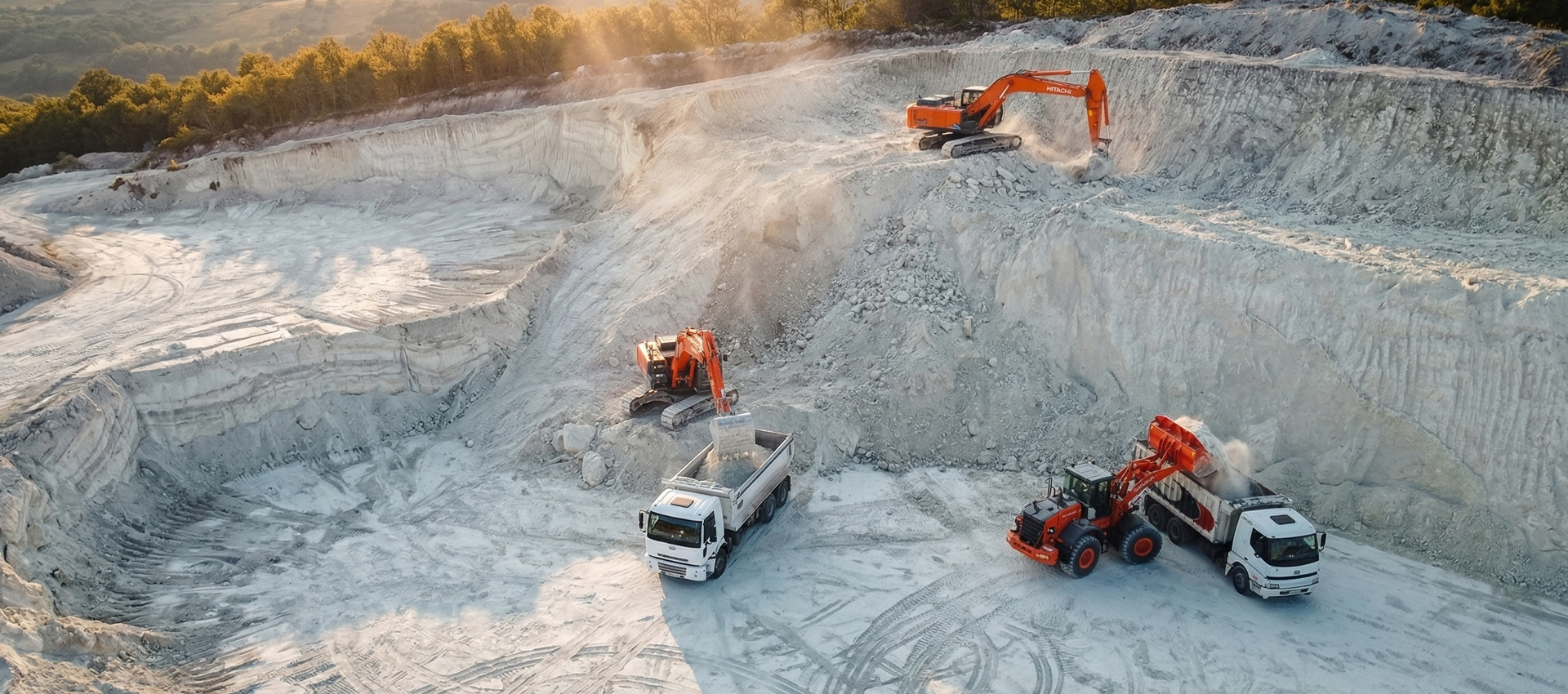
- Ultra-Low Dust White Calcium Bentonite: Mined and processed under controlled granulometry (0.5mm - 3.0mm), white bentonite offers multi-cat households superior liquid absorbency without generating respirable airborne quartz or clay dust during pouring.
2. Chemical Engineering & Performance Comparison Matrix
To assist French buyers and procurement directors in evaluating substrate physics, our laboratory R&D team has compiled an comparative matrix demonstrating the technical properties of our direct-factory exports versus standard commercial market offerings:
| Performance Indicator | Commercial Tofu (2.0mm) | Cassava Micro-Granules | White Calcium Bentonite | EU Regulatory Standard |
|---|---|---|---|---|
| Water Absorption Velocity | < 2.5 Seconds | < 1.8 Seconds | < 3.0 Seconds | ISO 2015-PET Compliance |
| Hydration Expansion Ratio | 350% - 400% | 450% - 500% | 300% - 350% | Internal Laboratory Testing |
| Dust Elimination Index | 99.6% Vacuum Screened | 99.8% Multi-Air Washed | 99.5% Cyclone Separated | DIN EN 481 Air Quality |
| Granule Hardness (Kgf) | ≥ 4.5 kgf/cm² | ≥ 5.2 kgf/cm² | ≥ 3.8 kgf/cm² | Anti-Crushing Transport Benchmark |
| Ammonia (NH3) Binding Rate | 94.2% (24 Hours) | 96.8% (24 Hours) | 92.5% (Natural Clay) | EN 13725 Olfactometry Standard |
| Flushability Safety Index | 100% Rapid Dispersal | 100% Rapid Dispersal | Non-Flushable (Clay Sediment) | French Sewerage Regulation Code |
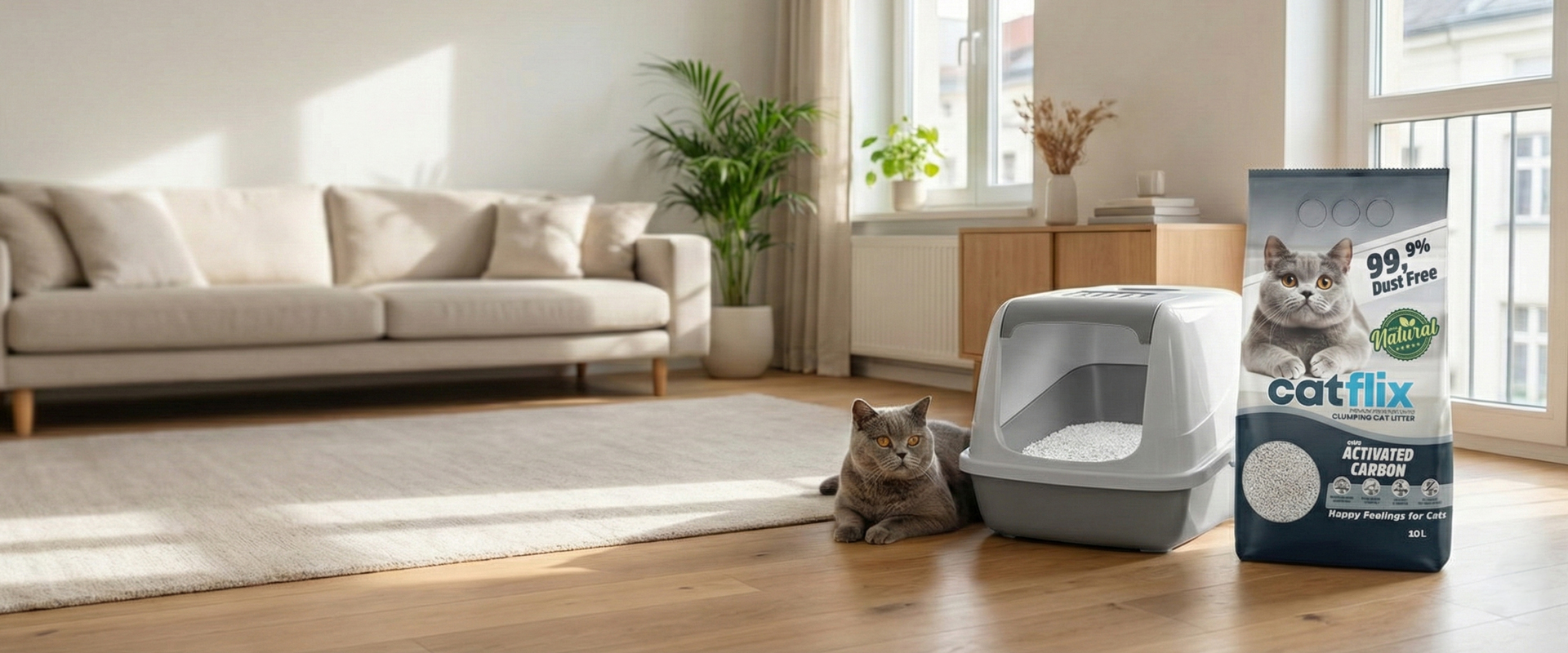
3. Technical Manufacturing Infrastructure: The 4-Stage Dust Extraction System
One of the primary failure points for imported commercial cat litter in European retail environments is dust degradation during long-distance maritime transit and automated bagging line filling. When lower-grade granules rub against each other under shipping vibration, micro-particles accumulate at the bottom of consumer bags, leading to negative retail reviews and return rates.
Our China manufacturing facility eliminates this risk using a proprietary 4-Stage De-dusting and Air Washing System across all production lines:
- Primary Rotary Vibratory Screening: Removes oversized pellets and raw fines during initial thermal drying.
- High-Velocity Cyclone Vacuum Exhaust: Extracts suspended airborne particulate matter as granules transition from the extrusion plant to cooling hoppers.
- Electrostatic Air Wash Towers: Utilizes ionization channels to strip static micro-dust attached to granule surfaces prior to perfuming and oil coating.
- Pre-Packaging Dust Extraction Hoods: Operates negative-pressure air filtration directly at the nozzle inlet of high-speed pouch sealing machinery.
This multi-tiered physical intervention guarantees that when your customer opens a bag of your private-label litter in Paris, the dust index remains strictly below 0.5%, complying with respiratory guidelines for sensitive urban pets and owners.