Direct factory supply for global importers, supermarket chains, and private label brand owners. Explore our benchmarked product lines below.
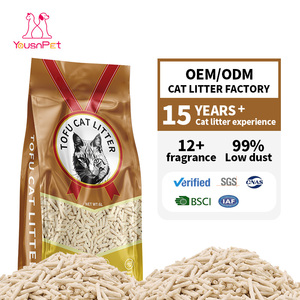
An enterprise-grade analysis of raw materials, formulation chemistry, supply chain logistics, and quality assurance protocols for global buyers.
The global pet care market has experienced a fundamental shift toward functional, eco-sustainable, and high-performance hygiene products. As cat ownership surges globally across North America, Europe, the Middle East, and Asia-Pacific, international distributors, pet retail chains, and digital brand owners face intensifying pressure to secure resilient, cost-effective, and fully compliant supply chains. China stands as the primary global hub for cat litter manufacturing and export, driving innovation across both traditional mineral-based litters (such as high-montmorillonite calcium and sodium bentonite) and advanced bio-based plant substrates (including pea fiber tofu, cassava starch, and corn sand formulations).
Navigating the supplier landscape requires a deep understanding of manufacturing capabilities, material chemistry, de-dusting technologies, and private label customization options. This B2B sourcing whitepaper provides purchasing directors, brand strategists, and OEM buyers with the technical insight and information gain required to evaluate China wholesale cat litter suppliers, optimize freight economics, and build high-margin retail product lines.
From raw mineral mining reserves (such as our white calcium bentonite deposits in Fatsa/Ordu and partner reserves) to direct plant-based pea starch processing, vertical integration eliminates middleman margins, stabilizes raw material costs, and guarantees lot-to-lot traceability.
Respiratory health is a key consumer buying trigger. Our manufacturing facilities employ 4-to-5 stage cyclone pneumatic screening systems, reducing fine airborne particulate matter (<20 microns) to under 0.5%, ensuring a guaranteed 99.5% dust-free threshold.
Complete product customization: custom granule diameter (0.5mm to 3.0mm), scent micro-encapsulation (Baby Powder, Marseille Soap, Lavender, Activated Carbon), vacuum PE bag printing, handle bags, box packaging, and automated palletization for global container shipping.
Selecting the appropriate cat litter substrate dictates brand positioning, pricing tier, target retail channel, and logistics footprint. The technical matrix below compares the five primary export substrates engineered in our manufacturing plants.
| Substrate Type | Primary Raw Material | Liquid Absorbency | Clump Hardness (N) | Dust Index | Flushability & Eco-Profile | Target Retail Channel |
|---|---|---|---|---|---|---|
| White Calcium Bentonite | Natural Montmorillonite Clay | 250% - 300% | 12N – 18N (Instant) | 99.5% Dust Free | Non-flushable / Landfill safe | Supermarkets, Mass Retail, Traditional Pet Outlets |
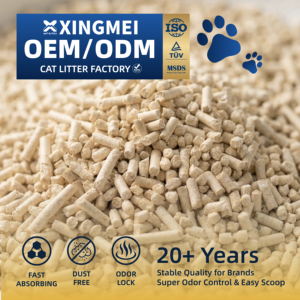
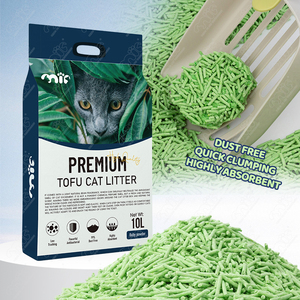
| Pea-Fiber Tofu Litter | Food-grade Pea Fiber & Corn Starch | 350% - 400% | 10N – 15N (Rapid) | 99.8% Dust Free | 100% Flushable & Biodegradable | Premium Pet Specialty, Eco-Brands, E-Commerce |
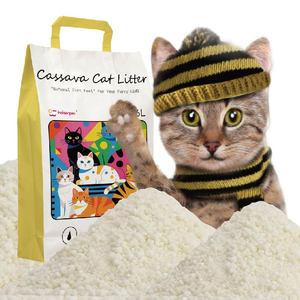
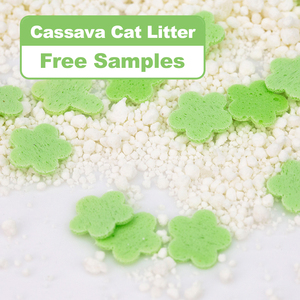
| Natural Cassava Litter | Pure Cassava Starch & Plant Fiber | 450% - 500% | 15N – 22N (Ultra-Hard) | 99.9% Dust Free | 100% Flushable & Biodegradable | Ultra-Premium Specialty, Eco-Friendly Flagship Lines |
| Scented Corn Sand | Crushed Corn Starch Pellets (2mm) | 300% - 350% | 10N – 14N (Tight) | 99.0% Dust Free | Flushable & Compostable | Modern Urban Retail, Multi-Cat Household Packs |
| Hybrid Mixed Litter | 70% Tofu + 30% Bentonite/Carbon | 380% - 420% | 14N – 20N (Dual Action) | 99.5% Dust Free | Partial Flushable (Low Volume) | All-in-One High Performance Commercial Brands |
Technical Note: Clump hardness is measured using standardized mechanical penetrometer shear tests (Newton) 5 minutes after exposure to 37°C synthetic feline urine solution.
Consistent product quality is the cornerstone of successful international distribution. In raw material mining and chemical compounding, minor variances in moisture or particle distribution can lead to weak clumping, odor leakage, or bag breakage during shipping.
Our production facilities utilize automated German-engineered mixing systems and high-precision rotary drying kilns. Moisture levels are dynamically held between 6% and 8% for bentonite, and under 10% for plant-based tofu and cassava substrates. This strict threshold prevents mold growth during long transoceanic voyages while ensuring peak capillary action upon consumer use.
Furthermore, our in-house laboratory conducts rigorous quality gate checks on every batch: testing bulk density (g/cm³), water absorption speed, dust dispersion PPM, and drop-test packaging integrity before issuing a Certificate of Analysis (COA).
Request Technical Data Sheets (TDS)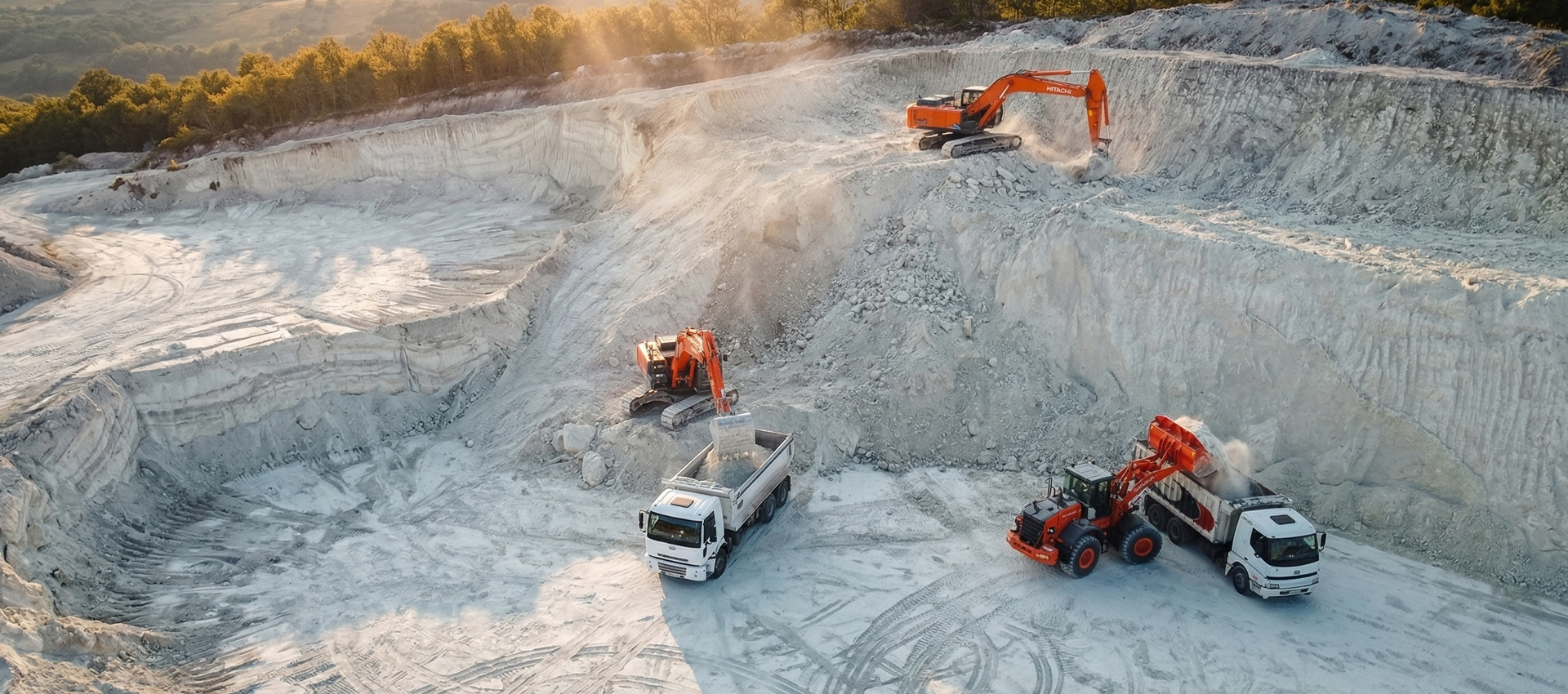
Market intelligence for purchasing officers seeking to future-proof their product portfolio and stay ahead of consumer shifts.
Strict municipal waste management laws and consumer demand for convenience are driving rapid growth in flushable, plant-derived substrates. Tofu, cassava, and corn litters are outpacing traditional clay in urban markets. Importers are expanding their plant-based product lines to capture eco-conscious, apartment-dwelling pet owners.
The global adoption of self-cleaning robotic litter boxes requires specific granule dynamics. Heavy tracking or slow-clumping litters clog automated sifting mechanisms. Manufacturers are optimizing 1.5mm–2.0mm micro-pellets and fast-clumping bentonite mixtures specifically designed for robotic litter boxes.
Modern consumers expect complete ammonia neutralization rather than synthetic scent masking. Advanced manufacturing now incorporates activated carbon, natural probiotic enzymes, and thermal-release odor-lock micro-beads directly into the granule matrices, eliminating odor at a molecular level.
A streamlined, risk-mitigated procurement process designed for global brands and wholesale distributors.
Substrate selection, mesh particle sizing (0.5-3mm), scent profiling, and moisture target parameters.
Rapid dispatch of custom lab-formulated trial samples for clumping, dust, and drop tests.
Bag artwork adaptation, volumetric weight calibration (5L, 6L, 10L, 2.8kg, 5kg), and print approval.
High-speed industrial mixing, 5-step de-dusting pass, automated filling, and vacuum sealing.
Palletization, stretch wrapping, container loading, customs clearance, and COA issuance.
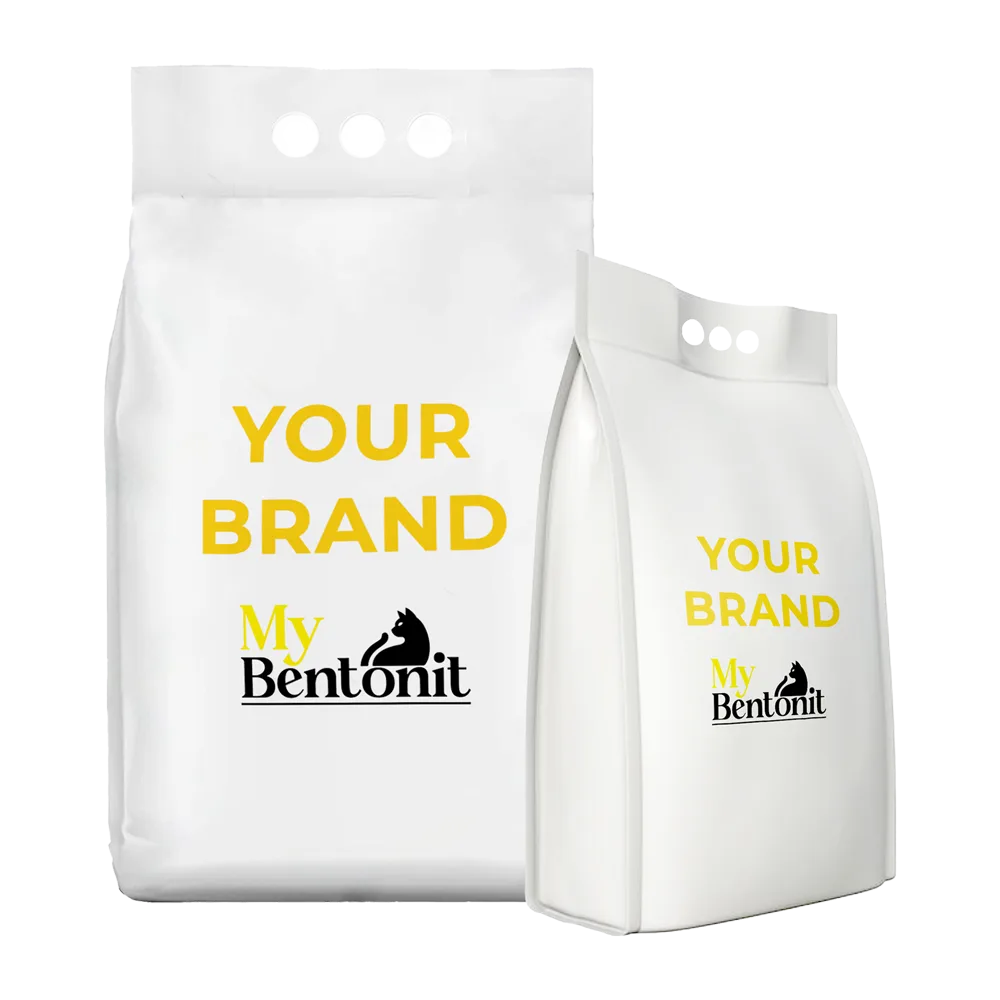
Packaging design plays a vital role in retail shelf appeal and transport durability. We offer complete OEM/ODM packaging engineering tailored to your brand strategy and target distribution channels:
Clear, direct answers to common commercial, technical, and logistical inquiries from prospective B2B buyers.
White calcium bentonite mined from premium deposits exhibits low iron content, exceptional natural whiteness, and high montmorillonite purity. Visually, consumers perceive clean white granules as more hygienic. Technically, calcium bentonite delivers faster liquid absorption and produces tight, non-stick clumps that scoop easily without breaking into sludge. Lower-grade grey sodium bentonite often releases fine grey dust, tracks onto household flooring, and leaves muddy residues at the base of the litter box.
For custom private label orders with unique printed packaging artwork, our standard MOQ is 1 x 20-foot Full Container Load (20' FCL, approx. 18–24 Metric Tons depending on substrate density). For bulk material shipped in 1,000kg Jumbo Big Bags, we can accommodate flexible trial volumes. Mixed container loading combining different tofu scents or bentonite mesh sizes under standard unbranded or house-branded packaging is also available for initial market tests.
Dust control is achieved through a multi-stage mechanical and pneumatic processing line. Following crushing and initial sifting, granules pass through four consecutive vibrating screens paired with high-volume cyclone suction hoods. Fine particulates under 200 mesh are removed before perfuming and bagging. An additional anti-dust screening pass is performed immediately prior to final automated bagging, ensuring dust levels remain consistently below 0.5% by weight.
Yes. Our tofu and cassava litters are manufactured from food-grade pea fibers, natural starches, and organic guar gum binders. When immersed in high water volume, the organic starch matrix dissolves completely within 15–30 seconds. Unlike mineral clay (which clogs drains), dissolved plant litter safe to flush in normal residential toilets. We advise including usage instructions on packaging to recommend flushing clumps individually rather than overloading plumbing systems.
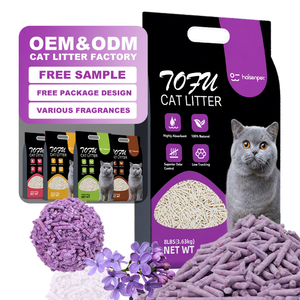
We provide full formula customization. Granule sizes for tofu range from 1.5mm, 2.0mm to 3.0mm pellets, while bentonite comes in fine (0.5–1.5mm), standard (1–3mm), or coarse low-tracking (2–5mm) mesh. Scents include Baby Powder, Marseille Soap, Lavender, Peach, Green Tea, Coffee, and Unscented. Functional additives include activated carbon beads, silica odor-lock crystals, and bio-enzymatic deodorizing agents.
Every export shipment is backed by a full documentation package required for seamless customs clearance and retail compliance audit trails. This includes Technical Data Sheets (TDS), Safety Data Sheets (SDS / MSDS under GHS standards), Certificate of Analysis (COA), Phytosanitary Certificates for plant substrates, ISO9001 quality system management compliance documents, and heavy metal / microbe laboratory test reports.
Vacuum-sealing plant-based tofu and cassava litter serves two distinct operational purposes: it prevents bag motion during ocean transport—eliminating friction that creates fine dust inside the bag—and provides an airtight moisture barrier. This prevents humidity absorption during ocean freight, keeping moisture levels under 10% and ensuring a 24-month shelf life under normal warehousing conditions.