Direct factory supply of bio-based plant litters, white bentonite minerals, and heavy-duty hygienic liner bags engineered for international distributors, supermarket chains, and private label brand owners.
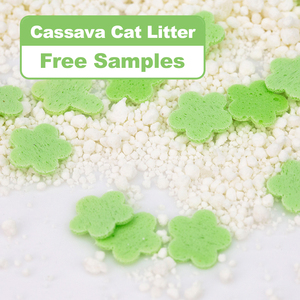
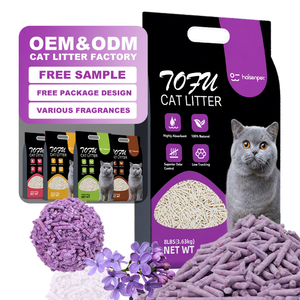
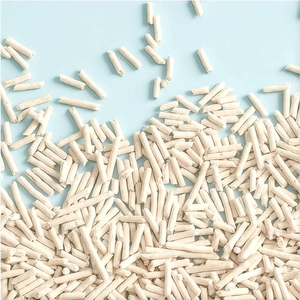
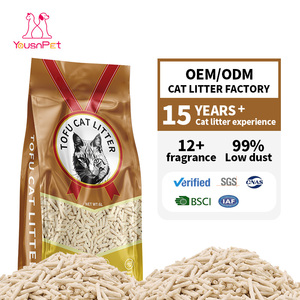
The global pet hygiene sector is experiencing an unprecedented structural transition driven by stringent environmental regulations, heightened consumer awareness regarding household dust inhalation, and a preference for renewable, plant-derived raw materials. Traditional mineral mining—while still foundational—is rapidly integrating with agricultural processing streams to create high-performance hybrid substrates.
Strategic Procurement Insight: Modern B2B buyers are moving away from single-source raw materials toward engineered bio-mineral formulations that balance rapid hydration rates with low volumetric shipping costs.
1. Transition from Sodium Bentonite to Plant Fiber Bio-Polymers: European and North American retail buyers are actively expanding shelf space for cassava, tofu, and corn-based litters. This transition is motivated by municipal sewer compatibility (flushability), carbon footprint reduction targets, and lighter package weights that optimize e-commerce delivery logistics.
2. Micro-Pellet Extrusion Technologies (1.5mm & 2.0mm): Standard 3.0mm tofu pellets are increasingly replaced by ultra-fine 1.5mm and 2.0mm micro-extrusions. Smaller diameter granules provide a softer paw feel for feline comfort, significantly increase the contact surface area for faster liquid absorption, and decrease overall product consumption per use cycle by up to 28%.
3. Advanced Cyclonic Dust Extraction Protocols: Dust levels (PM2.5 and PM10 particulates) are now key metrics in consumer review algorithms. Leading manufacturing hubs in China have deployed 4-stage pneumatic de-dusting towers during screening and packaging, achieving certified airborne dust-free rates of up to 99.7%.
4. Active Enzymatic & Activated Carbon Integration: Simple scented masking agents are being phased out in favor of chemical odor encapsulation. Impregnating natural raw material matrices with active plant-derived enzymes and steam-activated wood carbon locks in free ammonia ions ($NH_3$) at a molecular level, preventing gas vaporization even in humid environments.
Sourcing raw materials and finished goods from China requires a deep understanding of vertical supply chain integration, regional agricultural hubs, and international maritime logistics. Importers who establish direct partnerships with primary processors gain significant cost advantages and technical flexibility over buyers reliant on trading intermediaries.
Direct Agronomic & Mineral Sourcing: China’s primary raw material advantage lies in its localized industrial clusters. Bean-processing regions in Shandong and Anhui offer abundant pea fiber resources, while natural calcium white bentonite mines in Fatsa-integrated reserves or Liaoning supply high-purity montmorillonite clay. Securing raw materials directly from source refineries ensures batch-to-batch consistency and price stability against agricultural market fluctuations.
Container Freight & Moisture Barrier Engineering: Long-distance ocean transport across tropical ocean corridors exposes organic plant materials to humidity spikes and thermal expansion. Leading exporters now utilize high-barrier multi-layer PET/PE vacuum bags combined with desiccant container linings to maintain product moisture contents below 8-10%, completely mitigating mold risk during 45-day transit cycles.
| Raw Material Type | Primary Component | Absorption Rate | Clumping Speed | Flushability Index | Ideal Retail Positioning |
|---|---|---|---|---|---|
| Natural Cassava | Manihot Esculenta Starch | 450% - 500% | < 2.0 Seconds | 100% Flushable | Ultra-Premium Eco / Vet Channels |
| Micro Tofu Pellet | Food-Grade Pea Fiber | 300% - 350% | < 2.5 Seconds | 100% Flushable | Mainstream Retail & Supermarkets |
| White Calcium Bentonite | Montmorillonite Clay (>85%) | 250% - 300% | < 3.0 Seconds | Non-Flushable | Classic High-Rotation Mass Market |
| Corn-Sand Hybrid | Milled Maize Starch & Plant Fiber | 350% - 400% | < 2.0 Seconds | 100% Flushable | Low-Tracking Premium Specialty |
Total Cost of Ownership (TCO) Optimization: Smart buyers evaluate raw material suppliers based on yield efficiency rather than initial FOB unit price alone. High-density compaction, low moisture percentages, and optimized pallet configurations allow for up to 20% higher weight loading per 40' High Cube container, dramatically lowering landed costs per unit.
Our integrated manufacturing facilities represent the pinnacle of modern bio-mineral engineering. By controlling the entire supply chain—from raw material extraction and plant fiber milling to thermal drying, dust removal, and automatic bagging—we provide international clients with unmatched quality assurance and customized private label capabilities.
1. Full Control of Primary Raw Material Sources: Whether processing natural calcium white bentonite clay with low iron content or refining organic pea and cassava starches, our direct source access guarantees consistent physical properties, high absorption ratios, and reliable mineral purity across every shipment.
2. State-of-the-Art Automated Production Lines: Our production facilities operate fully automated continuous extruders, microwave drying chambers, and 4-tier rotary screeners. Thermally controlled drying ensures uniform internal moisture without scorching organic fibers, preserving the natural binding properties of the plant starch.
3. Comprehensive OEM / ODM Private Label Program: We provide complete end-to-end support for brand owners, including packaging artwork adaptation, flexographic printing on multi-layer packaging, handle bag integration, rigid bucket filling, and bulk big-bag supply (1,000kg - 1,250kg) for local repackers.
4. Stringent Quality Control Protocols & Certifications: Every production batch undergoes rigorous laboratory testing before container dispatch. Testing criteria include liquid absorption capacity, clump compression hardness, moisture retention testing, dust density measurements (PM2.5/PM10), and microbiological safety screening aligned with ISO9001, REACH, and CE standards.
Essential technical and logistical insights for procurement managers, brand managers, and international importers evaluating China's leading raw material manufacturers.
Plant-based materials derived from cassava starch and pea fibers offer significantly higher liquid absorption capacity per unit weight (up to 450% vs 250% for clay). They are lightweight, completely flushable down municipal toilets, 100% biodegradable, and produce far less airborne silica dust, making them safer for both cats and human household environments while reducing ocean shipping weight costs.
Yes. Our extrusion lines support pellet diameters ranging from 1.5mm, 2.0mm micro-pellets up to standard 3.0mm cylinders, as well as crushed plant granules. Scent options include unscented, baby powder, lavender, marseille soap, vanilla, green tea, and activated carbon odor lock. Custom food-grade color dyes can also be integrated into the formulation during batch mixing.
All plant raw materials are dried in microwave moisture chambers down to a strictly controlled target moisture level of 8% - 10%. Finished products are packaged using multi-layer barrier films (PE/PET) with air evacuation or full vacuum sealing. Additionally, container loading protocols include industrial-grade desiccants to prevent container rain during ocean transit.
For standard bulk big-bag orders (1,000kg bags), our MOQ starts at 10 metric tons. For fully customized private label printed packaging, the typical baseline MOQ is one 20-foot container (approx. 12-14 metric tons of plant litter or 20 tons of bentonite). A 40-foot High Cube container holds up to 24-26 metric tons depending on the specific product density and packaging format.
Every shipment includes a comprehensive documentation package: Technical Data Sheet (TDS), Certificate of Analysis (COA), Material Safety Data Sheet (MSDS), Heavy Metal & Microbiological Screening Reports, Phytosanitary Certificates (where required for agricultural products), and ISO9001/REACH compliance documentation.
Importers can request sample kits containing different granule sizes, scents, and raw material grades. Our engineering team conducts custom bench trials to meet your exact target specs (clump speed, density, perfume dosage). Once sample formulations are approved, production scheduling and bag printing prepress begin immediately.
Partner directly with China's leading bio-mineral raw material manufacturer. Request custom technical data sheets, sample kits, or container pricing for your private label distribution network.