Custom OEM/ODM formulations, micro-porous active charcoal impregnation, and high-clumping organic/clay substrates for international buyers.
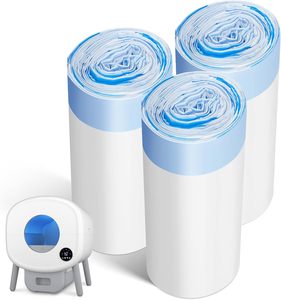
Heavy-duty, tear-resistant polymer liners engineered with micro-encapsulated active carbon layer for superior odor containment.
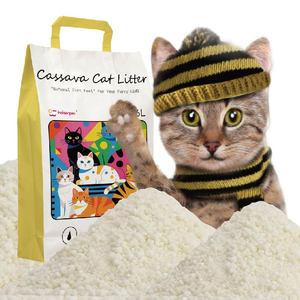
Ultra-fast clumping plant granule combined with high-surface-area active carbon spherical beads. 99.9% dust-free and flushable.
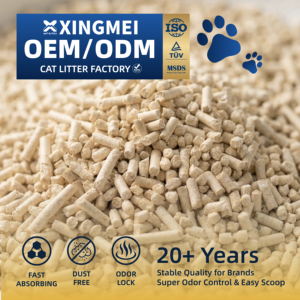
Food-grade bean dregs base infused with catalytic active carbon micropores. Instant 3-second absorption and hard clumping.
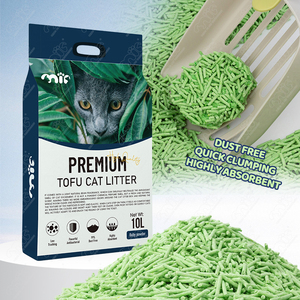
Specially manufactured for major retail chains. Features high CTC carbon adsorption rating and low tracking 2mm pellet design.
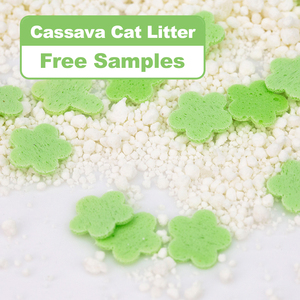
Tailor-made private brand packaging options. High-absorbency organic cassava root base reinforced with coal-based active carbon pellets.
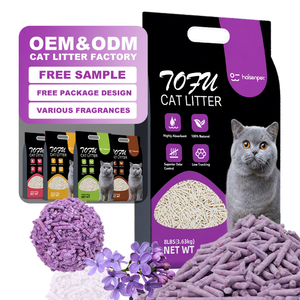
Engineered for multi-cat environments. De-dusted through 4-stage cyclone separators and impregnated with molecular activated charcoal.
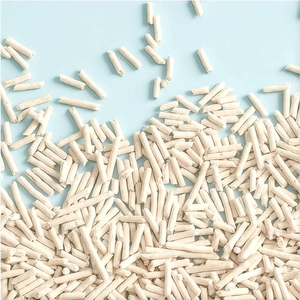
Corn starch granules enriched with spherical active carbon beads. Delivers rapid liquid trap, non-stick bottom clumps, and complete neutralization of VOCs.
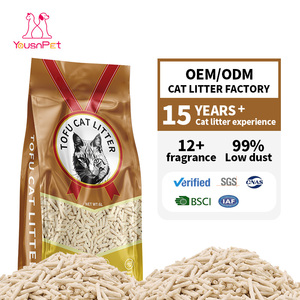
High-volume bulk container loads (20ft/40ft) in 1000kg Big Bags or customized retail pouches. Guaranteed iodine value > 900 mg/g.
Active carbon (activated charcoal) represents the global industrial standard for molecular adsorption, gas purification, and high-efficiency odor control. When global brand managers and commercial procurement teams evaluate CE Certified Active Carbon Factories & Suppliers, compliance with European Union standards—specifically Directive 2001/95/EC on general product safety and Regulation (EC) No 1907/2006 (REACH)—is no longer optional. It serves as the definitive benchmark for structural purity, chemical stability, and non-toxicity.
Activated carbon manufactured for pet substrates, filtration systems, and environmental purification relies on thermal or chemical activation of carbonaceous raw materials—primarily coconut shells, bituminous coal, anthracite, and sustainable agricultural fibers. High-temperature steam activation (performed in rotary kilns at 800°C–1000°C) creates a vast network of internal nanopores. This microscopic architecture yields surface areas ranging from 800 to over 1,400 square meters per gram ($m^2/g$), making activated charcoal uniquely capable of trapping Volatile Organic Compounds (VOCs), ammonia ($NH_3$), and hydrogen sulfide ($H_2S$) molecules through van der Waals forces.
To optimize product performance in odor control matrices (such as bentonite clay, cassava fiber, and tofu litter substrates), factories must precisely control pore size distribution during the carbonization phase:
B2B importers must select the appropriate raw material substrate based on iodine numbers, CTC (Carbon Tetrachloride) adsorption ratings, ash content, and mechanical hardness. The comparative dataset below outlines factory parameters across standard active carbon formats:
| Active Carbon Type | Iodine Number (mg/g) | CTC Adsorption (%) | Hardness Rating (%) | Ash Content (%) | Primary Industrial Application |
|---|---|---|---|---|---|
| Steam-Activated Coconut Shell | 1,000 – 1,250 | 60 – 85% | ≥ 98.5% | ≤ 3.0% | Gas Phase VOCs, High-End Pet Substrates, Water Filtration |
| Bituminous Coal Granular | 850 – 1,050 | 45 – 65% | ≥ 95.0% | ≤ 8.0% | Industrial Air Purification, Hybrid Bentonite Blends |
| Extruded Coal Pellet (1.5mm - 4mm) | 800 – 950 | 50 – 70% | ≥ 97.0% | ≤ 7.0% | Tofu/Corn Sand Litter Additive, Catalyst Support |
| Impregnated Catalytic Carbon | 900 – 1,100 | 55 – 75% | ≥ 96.0% | ≤ 5.0% | Ammonia Neutralization ($NH_3$), Acid Gas Removal |
Our manufacturing complex represents an advanced vertically integrated infrastructure. By managing raw material selection, high-temperature rotary kilns, multi-stage crushing, and automated packaging under a single quality control system, we provide global OEM/ODM partners with uncompromised batch consistency.
Computer-controlled thermal activation ensures uniform temperature distribution, yielding consistent pore structures and preventing thermal degradation of the carbon matrix.
Prior to packaging, active carbon pellets and hybrid substrates pass through high-performance air-cyclone de-dusting towers, reaching a 99.8% dust-free threshold.
State-of-the-art liquid dosing systems allow precise impregnation of antibacterial agents, fragrances (baby powder, lavender, marseille soap), and functional mineral clays.
The global active carbon and pet hygiene markets are experiencing a rapid structural shift. Procurement officers and brand managers must align their 3-to-5-year sourcing strategies with emerging environmental regulations, consumer safety demands, and material engineering advancements.
Traditional single-component bentonite or plant litter products are increasingly replaced by high-performance hybrid formulations. By integrating 3% to 8% spherical active carbon granules into high-montmorillonite white calcium bentonite clay, manufacturers achieve a dual-action mechanism: bentonite encapsulates moisture into rock-hard clumps, while active charcoal adsorbs gaseous odor molecules inside its micropores.
European regulatory bodies are tightening scrutiny on imported mineral and carbonaceous products. Future procurement requires suppliers to supply comprehensive REACH registration, Safety Data Sheets (SDS) adhering to Regulation (EU) 2020/878, and strict zero-asbestos verification for all mined clay and carbon carrier media.
With corporate ESG targets driving raw material selection, demand for coconut shell-derived active carbon is outstripping traditional coal-based alternatives. Coconut shell carbon offers a lower carbon footprint, higher mechanical hardness, and superior micropores tailored specifically for volatile gas phase adsorption.
To maintain a competitive edge, our research and development facility focuses on three pioneering manufacturing innovations:
Crucial answers to technical and logistical questions asked by international B2B buyers during factory audits and vendor selection.
Partner with a certified factory leading the industry in active carbon impregnation, white calcium bentonite mining, and organic clumping substrates.