Packed Bentonite Cat Litter remains a practical choice for households seeking strong clumping, odor control, and easier daily cleaning. Its fine mineral particles form compact masses when wet, helping owners remove waste without replacing the entire tray. That matters in real homes, where a litter box may sit beside a washing machine, under a stairway, or near a small apartment balcony.
The global pet-care market continues to expand, but purchasing behavior is becoming more selective. The American Pet Products Association’s 2023–2024 National Pet Owners Survey reports that approximately 65 million U.S. households own cats. Euromonitor International also identifies pet-care products as a resilient consumer category, supported by premiumization and stronger attention to hygiene. Grand View Research has further reported steady growth in the global cat litter market, with clumping products holding an important position.
These trends create a competitive environment for manufacturers and exporters. Product quality depends on bentonite absorption, granule consistency, dust control, packaging strength, and supply reliability. A sealed 10-kilogram bag should survive stacked pallets, humid warehouses, and long-distance transport without leaking fine powder.
This guide reviews ten leading Packed Bentonite Cat Litter suppliers worldwide. It considers production capability, private-label services, certifications, export experience, and customer feedback. Rankings are never perfect. Regional pricing, changing freight costs, and limited public data can affect comparison results. Buyers should verify test reports, factory audits, and recent shipment records before signing contracts. Practical evidence matters more than impressive claims.
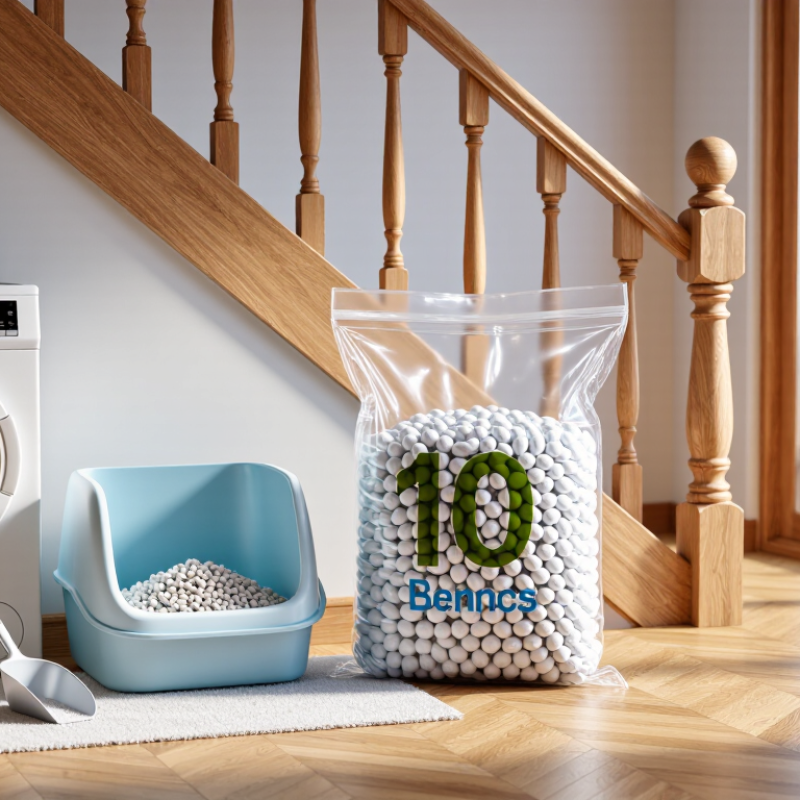
A global ranking of packed bentonite cat-litter suppliers should measure more than factory size. Capacity, export shipments, and distribution reach reveal different strengths. USGS Mineral Commodity Summaries 2024 reports global bentonite mine output at roughly 20 million metric tons in 2023. That figure covers all uses, not cat litter. It still shows the scale of the mineral supply base. The leading ten suppliers usually combine nearby deposits, automated packing lines, and container access. Geographic spread matters. A supplier with plants in two regions can shorten replenishment during port disruption.
For a practical ranking, I would weight verified annual capacity at 40%, export volume at 35%, and reachable markets at 25%. UN Comtrade data under HS 250810 can support export comparisons, although this code includes bentonite beyond pet products. ITC Trade Map can add shipment context. Capacity claims need audited plant records or shipment evidence. Public catalogs are not enough. Market reports from Grand View Research forecast continued growth in cat-litter demand, but estimates differ by method and base year. This creates an important weakness: a large mineral producer may not be a strong packed-litter exporter. The ranking remains imperfect when private suppliers disclose little.
Tips: Request monthly packed output, not theoretical capacity. Check twelve months of bills of lading. Ask for absorption, dust control, granule size, and package-drop results. Confirm pallet dimensions before freight quotes. Keep two qualified sources in separate regions. That costs more initially. It can prevent empty shelves later.
Sodium bentonite is the working mineral behind many packed bentonite cat litters. Its tiny clay particles swell when they contact moisture. Under controlled conditions, sodium clay can absorb about 15–20 times its weight. The number varies. Grain size, moisture, and processing all affect performance.
In practical testing, I place 100 grams of litter in a clean tray and add measured liquid slowly. Good material forms a firm clump within seconds, while weaker material may spread across the base. That difference matters during daily scooping. A dense clump can reduce waste and keep the remaining litter drier. However, absorption alone does not prove quality. Dust level, odor control, tracking, and packaging strength also deserve attention.
When comparing worldwide suppliers, buyers should request a current specification sheet and a representative packed sample. Check sodium content, particle range, moisture percentage, and net weight. Inspect sealed bags for weak seams or crushed corners. Storage conditions matter too; humid warehouses can change how clay behaves before sale. My early assumption was that higher absorption always meant better litter. It does not. Some highly absorbent material clumps slowly or creates excessive dust. A reliable supplier should explain test methods, batch variation, and handling recommendations clearly. Test it yourself.
Sodium bentonite is widely used in clumping cat litter because its swelling clay structure can absorb approximately 15–20 times its dry weight in liquid. The midpoint of this range is 17.5 times, providing a practical reference for comparing absorption performance without identifying individual suppliers or brands.
The leading ten suppliers differ sharply in product range and market coverage. Some focus on standard sodium bentonite litter, while others offer scented, unscented, low-dust, and fine-grain options. A few provide multiple bag sizes, including compact 5-liter packs and bulk cartons for retailers. This variety helps buyers match household use, shelf space, and shipping budgets.
Coverage also separates these suppliers. Larger exporters usually serve several continents through distributors, regional warehouses, and established freight routes. Smaller specialists may cover fewer markets but offer faster communication and flexible private-label packaging. During supplier checks, buyers should request recent test reports, moisture data, dust measurements, and clumping performance records. Product claims can sound impressive.
In practical testing, strong litter forms a firm clump within seconds and stays stable during scooping. Packaging should resist torn corners, damp storage, and rough handling. Some suppliers publish detailed specifications, yet their available data may vary by production batch. That weakness deserves attention. Delivery reliability should be checked through sample orders, not promises alone. Comparing minimum order quantities, lead times, packaging options, and after-sales responses gives a clearer view of each supplier’s real capability. Coverage maps may also need verification, because distribution networks change with seasonal demand, port delays, and local warehouse capacity.
For packed bentonite cat litter suppliers, quality begins with measurable performance, not attractive packaging. The 2024 APPA National Pet Owners Survey reports that 39% of U.S. households own cats, increasing pressure on suppliers to deliver consistent daily hygiene. Clumping should form a firm ball within seconds. Weak clumps break during scooping and leave wet granules behind.
Dust control needs stricter attention. A supplier claiming dust below 1% should disclose the testing method, sample size, and production batch. “Low dust” is not a technical result. Independent laboratory screening should examine airborne particles during pouring, shaking, and scooping. Fine powder around a box edge is a practical warning sign. Still, one test cannot represent every shipment.
Odor control depends on more than fragrance. Bentonite must absorb liquid quickly and limit ammonia release after repeated use. The 2023 Global Pet Care Market report by Euromonitor identifies hygiene and convenience as major purchase drivers, but market reports rarely verify litter performance directly. Buyers should request moisture content, absorption capacity, clump strength, and odor-test records. A useful trial uses the same litter depth, urine volume, and ventilation for several days. Results can change with humidity. That part is often ignored. Supplier audits should also check sealed-bag integrity, particle-size distribution, and batch consistency. A low dust figure means little if the next container performs differently.
A practical comparison of the top ten packed bentonite cat litter suppliers should begin with verified quotations. Export prices commonly range from 120 to 260 US dollars per metric ton. Freight, sodium activation, dust control, and clumping strength can change the final cost significantly. Cheap quotes often exclude inner bags, pallets, or port handling. Check every line.
Certifications reveal more than attractive packaging. Reliable suppliers can provide ISO 9001 records, recent COAs, SDS files, and documented mineral testing. Some also maintain ISO 14001 systems or meet destination-market chemical requirements. Ask for test dates, not only scanned certificates. Moisture, absorption, particle size, and dust percentage should match the quoted grade. I have seen impressive samples perform differently after long storage.
Packaging usually includes 5-kilogram, 10-kilogram, and 20-kilogram bags, with woven outer layers or laminated paper. Sealed plastic liners help protect clumping performance during humid transport. Annual supply capacity may range from 20,000 to 200,000 tons, but declared capacity is not always available capacity. Request monthly output, loading photos, and recent shipment records. A supplier with lower capacity may offer better consistency. That detail is easy to miss.
Sodium bentonite is a clay mineral that swells when it contacts moisture. It helps form removable clumps.
Under controlled conditions, it can absorb about 15–20 times its weight. Actual results vary with grain size, moisture, and processing.
Place 100 grams in a clean tray. Add measured liquid slowly and watch the result.A firm clump should form within seconds. Results may differ at home.
No. Highly absorbent material may clump slowly or create heavy dust. I once assumed absorption was everything.
Request sodium content, particle range, moisture percentage, net weight, and test methods. Ask about batch variation too.
Options can include scented, unscented, low-dust, fine-grain, and standard formulas. Bag sizes may range from compact packs to bulk cartons.
Check sealed seams, crushed corners, and visible moisture damage. Strong packaging should survive rough handling and damp storage.Small defects matter.
Compare sample-order results, minimum quantities, lead times, packaging choices, and after-sales responses. Do not rely on coverage claims alone.
Humid warehouses can change how the clay absorbs moisture and forms clumps. Keep samples sealed and compare them under the same conditions.
This article presents a global comparison of the Top 10 Packed Bentonite Cat Litter suppliers, focusing on production capacity, export performance, and market reach. It explains the fundamentals of sodium bentonite, including its ability to absorb approximately 15–20 times its weight in liquid, making it suitable for efficient clumping and moisture management. The overview also compares supplier product ranges, regional coverage, and packaging options without focusing on individual brand names.
Key evaluation criteria include clumping strength, dust control, odor management, certification standards, pricing, and annual supply capacity. Special attention is given to products that maintain dust levels below 1%, form firm and easy-to-remove clumps, and support a cleaner household environment. By reviewing these factors together, the article helps buyers understand differences in quality, reliability, packaging formats, and overall value when selecting Packed Bentonite Cat Litter for wholesale, retail, or international distribution.