Choosing a White Bentonite Mine supplier is not simply a matter of comparing prices or looking at a bright sample. Color can vary between deposits and processing batches. Buyers should also examine mineral composition, moisture, particle size, swelling behavior, and consistency against the intended application.
The U.S. Geological Survey’s Mineral Commodity Summaries 2024 estimated U.S. bentonite mine production at 4.6 million short tons in 2023. The report describes bentonite’s use in areas including drilling fluids, foundry sands, and absorbents. That scale makes supplier evaluation practical, not merely administrative: a small change in clay performance can affect mixing, filtration, or product finish. Ask suppliers for recent, batch-specific test results, not just a polished specification sheet. Check whether the data identify the test method and sample lot. Details matter.
A dependable supplier should be able to explain where material is mined, how it is processed, and how quality is monitored from lot to lot. Look for traceable mine and batch records, clear product limits, and independent laboratory testing where appropriate. Request a representative sample, then compare it with the delivered material using the same test conditions. A clean sample is not enough. It is easy to overvalue one attractive result; real purchasing decisions need repeatable evidence. No supplier can remove every variation in a natural mineral, so honest discussion of limits is also a useful sign of reliability.
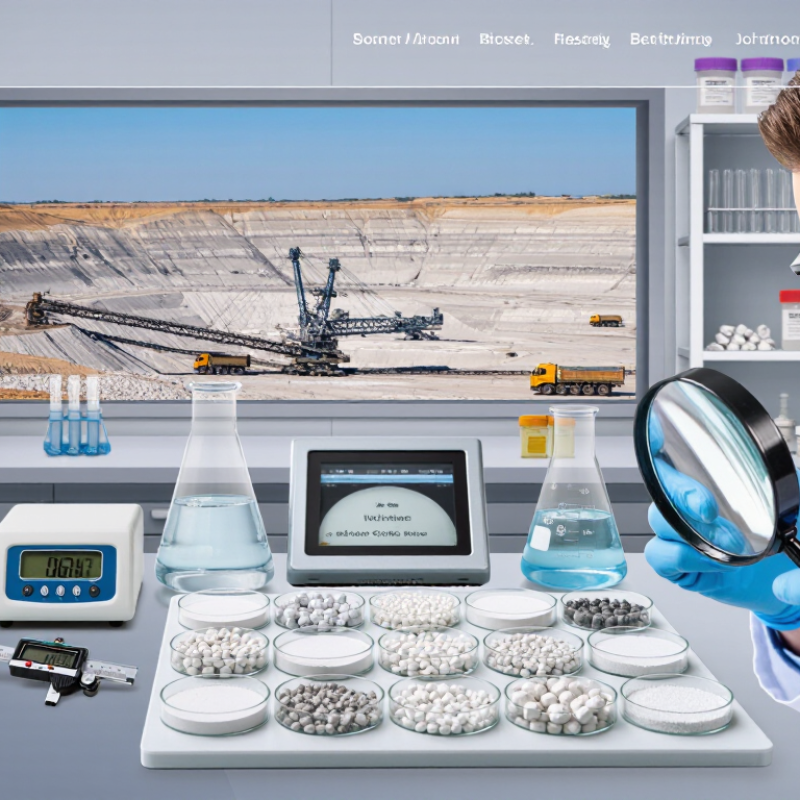
Before comparing white bentonite mine suppliers, define the job the clay must do. “White” describes appearance, not performance. Check the required brightness, particle size, moisture, swelling behavior, and viscosity against your process. A pale ceramic glaze may need consistent color and fine particles, while a drilling fluid application may depend more on suspension and yield performance. Different jobs, different grades.
Write down measurable acceptance limits before requesting quotations. For coatings or paper, ask for data on brightness, dispersion, and residue on a specified sieve. For absorbent products, compare absorption capacity and granule strength. Request a recent certificate of analysis, but treat it as a starting point. Test a representative sample under your own mixing conditions; water quality and shear can change results. Small details matter.
Only then compare suppliers on mine consistency, processing controls, batch traceability, and delivery capacity. Ask whether they can provide samples from more than one production lot. Check how they handle variations in color or moisture, and whether technical staff can explain test methods clearly. A polished data sheet is useful, but not proof by itself. I would avoid choosing solely on the whitest sample; that assumption can be wrong. Use the grade that meets your end-use limits reliably, even if its appearance is less striking.
Request CIE Lab readings from several production lots. Ask for the test method, instrument settings, moisture level, and sample preparation details. Wet powder can shift the readings. Color is not purity.
It can show whether the material is rich in smectite and identify minerals such as quartz or calcite. Check that the report matches the same lot as the color readings. One report may miss local variation.
Look for the test date, sample ID, preparation method, and laboratory details. Compare the report with the product specification and a retained sample. Paperwork can still leave gaps.
Request a recent, lot-specific viscosity report. It should show the 600-rpm result and test method. The stated minimum is 30 cP under the applicable procedure. Numbers matter.
Sample preparation and hydration time can affect viscosity readings. Use consistent conditions when comparing results. A bare “30” is not enough; ask for units and test details.
Ask for recent swell-index results using the specified test method. The 24-mL/2-g benchmark can serve as a screening point when it matches project requirements. It is not a guarantee.
No. Compare results from several production lots and confirm each sample’s source. Ask how mining, blending, and processing are controlled. One polished report may not tell the whole story.
Match its lot number to the test documents and retain a sealed sample. Independent retesting can reveal variation. It takes extra effort, and I would still want clear acceptance limits before shipment.
Choosing a reliable White Bentonite Mine supplier starts with defining the intended use. Different applications require different grades, so compare suppliers only after identifying the relevant performance and quality requirements. For white bentonite, request CIE L*a*b* color readings and X-ray diffraction (XRD) reports to assess appearance and mineral composition, rather than relying on visual descriptions alone.
For drilling applications, verify that the product meets the API 13A minimum 600-rpm viscosity of 30 cP. For geosynthetic clay liner use, check the ASTM D5890 swell index against the 24 mL per 2 g benchmark. A dependable supplier should also provide clear certificates of analysis, documented ISO 9001 quality traceability, and consistent results across at least three consecutive production lots. Reviewing these records alongside application-specific test data helps buyers evaluate quality, consistency, and suitability before making a decision.