Kurtuluş, Sami Yücel Cd. No:44/2, Fatsa / Ordu – Türkiye +90 (452) 716 52 52 info@www.nstarpet.com
0%

Choosing a supplier for a pet food brand involves more than comparing prices or attractive samples. Private Label Pet Packaging must protect product quality, suit the filling process, and make key information easy to read. A stand-up pouch may work well for treats, while a sturdy tub can be more practical for larger portions. Small details matter: zipper alignment, seal strength, label placement, and how the package feels in a customer’s hand.

This guide to China’s top 10 private label pet packaging manufacturers offers a starting point for comparing suppliers, not a guarantee that one company fits every brand. It considers packaging options, customization, production capabilities, communication, and the evidence manufacturers provide about quality control. Ask for material specifications, sample packages, and clear answers about lead times and minimum order quantities. Check that claims are supported by current documents rather than relying on a polished catalog alone.

Samples can reveal issues that product photos miss. Look closely at print consistency and seals. Then test the package with your actual product and filling equipment, where practical. Supplier details can change, and a strong first impression is not enough. Some information may be difficult to verify remotely; that uncertainty deserves attention, not a guess. A careful shortlist helps brands make a more informed decision and identify questions to resolve before placing an order.
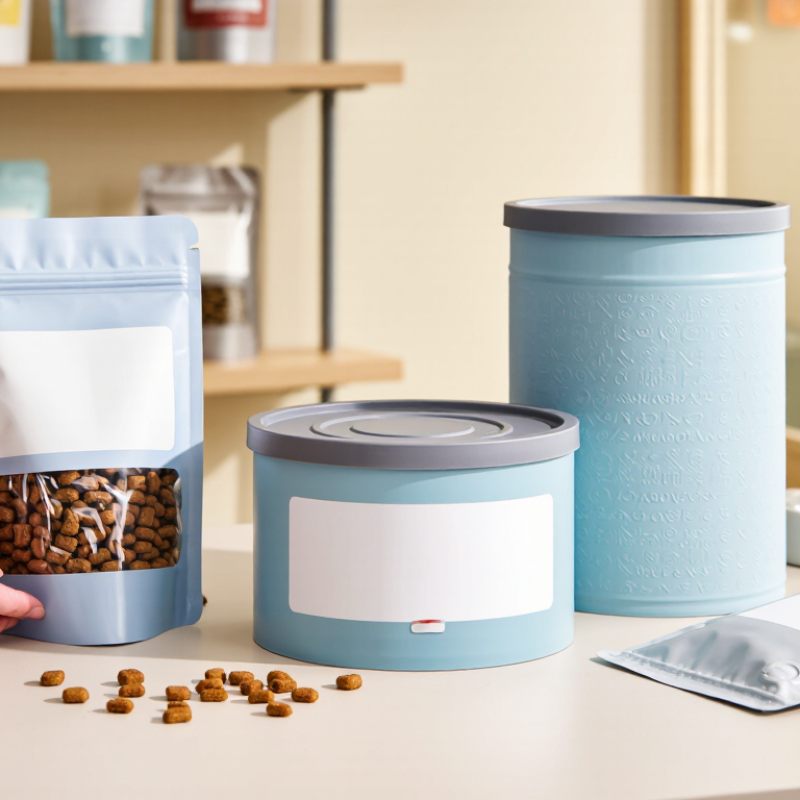
China Top 10 Private Label Pet Packaging Manufacturers

What Private-Label Pet Packaging Means in the Chinese Market

In China, private-label pet packaging is more than a pouch carrying a retailer’s name. It is a product system: pack format, material structure, artwork, batch coding, and production quantities are planned around the retailer’s own product. The 2024 China Pet Industry White Paper reported that China’s urban dog and cat market reached RMB 300.2 billion in 2024. That scale raises expectations for clear product information and dependable shelf presentation. A stand-up pouch may need a strong seal, a resealable zipper, and a barrier suited to dry food. Wet food needs packaging designed for its contents and filling process.

For manufacturers, the practical work starts with the brief. Confirm the product weight, filling temperature, shipping route, and whether the pack will be sold online or in stores. These details affect film selection, pouch dimensions, and print durability. A QR code can support product information, but it must remain readable after handling. Small production runs can help test a new design; however, too many artwork changes may increase setup costs. This part is easy to underestimate.

Tips: Request samples made with the proposed materials, then test seals and readability. Keep one approved artwork file and check every proof carefully. It sounds basic. It prevents avoidable rework.

How China’s Pet Packaging Manufacturing Industry Is Organized

China’s pet packaging industry is organized around several linked production stages. Material suppliers provide films, paperboard, resins, and closures. Converters turn these inputs into pouches, bags, cans, tubs, and cartons. Some factories specialize in one format, while larger operations coordinate printing, forming, and packing under one roof. The structure varies by product and order size.

A private-label project often starts with packaging specifications: dimensions, barrier needs, closure type, print method, and expected run volume. Engineers may test pouch seals, drop resistance, and how well a zipper closes after repeated use. Details matter. Smaller orders can require more coordination because printing setup and tooling may add time or cost. Buyers should request samples and written quality criteria before approving a production run.

Manufacturers also work with testing providers and logistics partners. Records for material batches, inspection results, and shipment quantities help trace issues when they arise. Requirements differ by destination and intended use, so specifications should be checked for the relevant market rather than assumed to be universal. This system can be efficient, but not always simple. One weak point is communication: a small change in film thickness or artwork can affect production, and it may not be flagged early. Clear approvals reduce that risk.

China Top 10 Private Label Pet Packaging Manufacturers - How China’s Pet Packaging Manufacturing Industry Is Organized

A practical map of ten common supplier types in China’s pet packaging supply chain. The rows describe manufacturing capabilities, not named companies or a ranked list.

Supplier Type Typical Pet Packaging Common Materials Typical Processes Common Applications Key Buyer Checks
Flexible pouch converters Stand-up pouches, flat-bottom bags, zipper pouches, and refill packs Printed plastic film laminates; structure depends on barrier and sealing needs Film printing, lamination, pouch forming, zipper insertion, and heat sealing Dry food, treats, and some powdered supplements Barrier performance, seal integrity, food-contact documentation, and artwork control
Rollstock and sachet specialists Form-fill-seal rollstock and small sachets Flexible plastic films and multilayer laminates Flexographic or gravure printing, lamination, slitting, and roll finishing Single-serve treats, powders, and packaging lines using form-fill-seal equipment Roll width, film gauge, coefficient of friction, sealing window, and machine compatibility
Plastic bottle and jar molders Bottles, jars, tubs, caps, and closures Common packaging plastics include PET, HDPE, PP, and PE, selected for the intended use Injection molding, extrusion blow molding, injection stretch blow molding, and cap molding Supplements, oils, liquids, powders, and small treats Neck finish, closure fit, leakage tests, resin specifications, and container-wall consistency
Plastic tub and pail manufacturers Wide-mouth tubs, pails, lids, and scoop-compatible containers Typically PP or HDPE, depending on design and application Injection molding, in-mold labeling, lid fitting, and assembly Bulk dry food, treats, and larger-volume supplements Stackability, lid retention, handle strength where applicable, and dimensional consistency
Thermoformed tray producers Food trays, compartment trays, and formed inserts Thermoformable plastic sheet, with material choice based on product and filling requirements Sheet extrusion or sourcing, heating, forming, trimming, and stacking Wet food portions, fresh or frozen pet food, and multipack formats Tray dimensions, sealing compatibility, forming quality, and suitability for the intended storage conditions
Metal can and end manufacturers Two-piece or three-piece cans, ends, and easy-open ends where specified Tinplate or tin-free steel with suitable internal and external coatings Metal forming, seaming, coating, printing, and leak or seam inspection Wet pet food and other products requiring a rigid metal container Can dimensions, coating suitability, seam specifications, corrosion resistance, and filling-line compatibility
Paperboard carton converters Folding cartons, sleeves, display boxes, and secondary packs Paperboard and corrugated board, sometimes combined with a separate product-contact package Printing, coating or laminating when required, die-cutting, creasing, and gluing Retail cartons, multipacks, and outer packaging for pouches, cans, or bottles Board grade, print color control, carton dimensions, loading strength, and recycling instructions
Corrugated case manufacturers Shipping cases, master cartons, and protective inserts Corrugated fiberboard made from linerboard and fluting Corrugating, printing, slotting, die-cutting, and case forming Transport packaging for packaged food, litter, and other pet-care products Box dimensions, board construction, compression needs, pallet pattern, and transit testing
Label and flexible sleeve converters Pressure-sensitive labels, wraparound labels, and shrink sleeves Paper or plastic label stocks, adhesives, inks, and shrink films as appropriate Printing, lamination or varnishing, die-cutting, slitting, and sleeve seaming Identification and decoration of bottles, jars, tubs, and other containers Label dimensions, adhesive performance, application method, barcode legibility, and artwork proofs
Packaging component and closure suppliers Zippers, spouts, liners, scoops, seals, and tamper-evident components Components vary by function and may include plastic, elastomer, foil, or paper-based materials Component molding or converting, assembly, and fit testing Resealable pouches, dispensing packs, and containers requiring additional closure features Compatibility with the main package, opening and reclosing performance, fit, and applicable compliance documents

How the industry is organized: Packaging projects commonly involve a converter or container manufacturer, separate material or component suppliers, and sometimes a contract filler or packing facility. Material structures, food-contact suitability, recyclability, and regulatory requirements should be confirmed for the specific product, destination market, and production line.

China’s Top 10 Private-Label Pet Packaging Manufacturers

China’s Top 10 Private-Label Pet Packaging Manufacturers are best compared by practical capabilities, not catalog size alone. A capable supplier should explain material options, print tolerances, sealing methods, and production limits in clear terms. Ask how packaging performs with dry kibble, oily treats, or moisture-sensitive products. These details affect shelf life and handling.

Request samples before approving a large order. Check the pouch seams, zipper movement, label alignment, and how easily the package stands when filled. Small defects matter. A sample may look neat but still wrinkle during filling, so test it with your actual product and equipment. Confirm minimum order quantities, sample fees, lead times, and what happens when a batch fails inspection. Written specifications help prevent avoidable misunderstandings.

The strongest manufacturers can discuss trade-offs without promising that every feature is possible. For example, a matte finish may show scuffs more easily, while a thicker structure can raise shipping costs. Ask for material documentation and quality-control records, then compare the evidence rather than relying only on sales claims. Communication deserves attention too. Slow or vague replies may signal trouble later. No supplier is perfect; a careful review of samples, records, and production details can make the choice more dependable.

Common Packaging Formats, Materials, and Customization Options

Pet food packaging should protect freshness and make daily use simple. Common formats include stand-up pouches, flat-bottom bags, pillow pouches, and rigid tubs. Small treats often suit resealable pouches, while larger kibble sizes may need stronger bags with stable bases. Materials vary by product: laminated films can provide moisture and oxygen barriers, while paper-look surfaces offer a natural appearance but still need suitable inner protection. Match the structure to the food’s fat content, aroma, portion size, and storage conditions.

Customization goes beyond printed colors. Private label packaging can include clear product windows, tear notches, zipper closures, matte or glossy finishes, and different bag dimensions. Ask manufacturers about seal strength, print consistency, and sample testing before approving a production run. A package that looks polished may still be awkward to open. That detail is easy to miss. Check that the closure works after repeated use, and confirm that the chosen material fits the filling and packing process.

Tips: Request filled samples, not just empty mock-ups. Check seals, readability, and handling. Small trials can reveal problems early. Some packaging choices involve trade-offs, so review them carefully.

How to Compare and Select a Pet Packaging Manufacturer in China

Choosing a pet packaging manufacturer in China takes more than comparing unit prices. Grand View Research estimated the global pet food packaging market at USD 10.4 billion in 2023 and projected 5.4% annual growth from 2024 to 2030. That growth makes material performance and dependable production worth checking closely. Ask for the pouch or bag structure, barrier data, seal-strength results, and migration test documentation. Match these records to your product’s fat content, aroma, shelf life, and storage conditions. A sample can look perfect. It may still fail on a fast filling line.

Compare suppliers using the same brief: dimensions, material layers, print colors, order volume, delivery terms, and acceptable defect limits. Request a production sample, not only a hand-finished mock-up. Check seals, zippers, cut edges, and print alignment under ordinary warehouse lighting. Also ask how the factory tracks batch records and handles rejected materials. A low quote may hide tooling, freight, or inspection costs. Even a careful scorecard misses things; trial orders reduce, but do not remove, that risk.

Tips: Have samples tested on your own filling equipment. Record the settings and defects, then compare suppliers against the same results. Ask for written confirmation of lead time and specification changes. A clear answer is useful. A vague promise is not.

FAQS

What stages shape China’s pet packaging industry?

Material suppliers provide films, paperboard, resins, and closures. Converters turn them into bags, pouches, cans, tubs, and cartons. Some factories coordinate several steps under one roof.

What should buyers specify before production?

Provide dimensions, barrier needs, closure type, printing method, and expected order volume. Written quality criteria help avoid confusion. Details matter.

Which packaging formats suit different pet foods?

Resealable pouches often work well for small treats. Larger kibble bags may need stronger material and a stable base. Match the format to portion size and storage conditions.

How should packaging materials be selected?

Consider moisture, oxygen, fat content, aroma, and filling conditions. Laminated films can provide barriers, while paper-look surfaces may need inner protection. Looks are not enough.

What customization options are available?

Options can include product windows, tear notches, zipper closures, matte or glossy finishes, and varied dimensions. Check that the design remains easy to open.

Why are filled samples useful?

Filled samples let buyers check seals, readability, and handling with the actual product. Test the closure repeatedly. Empty mock-ups may hide practical problems.

What should smaller orders account for?

Printing setup and tooling can add time or cost. Smaller runs may need more coordination, so confirm schedules and sample approval steps early.

How can production issues be traced?

Records of material batches, inspections, and shipment quantities can help locate problems. Requirements vary by destination and intended use. I would not assume one specification fits every market.

What details are easy to overlook?

A small change in film thickness or artwork can affect production. Confirm changes clearly and check seal strength. I might miss a detail, too.

Conclusion

This article explores Private Label Pet Packaging in China, explaining how it enables businesses to develop packaging under their own labels while working with specialist manufacturers. It outlines how the industry is organized, from material and packaging producers to suppliers offering design support, printing, and finished-product services. Readers will also find an overview of common formats, such as bags, pouches, containers, and boxes, along with material choices and customization options for different pet food and care products.

The article also presents a practical framework for comparing and selecting a manufacturing partner. Key considerations include production capabilities, quality-control processes, customization flexibility, communication, lead times, and order requirements. By understanding these factors, buyers can assess potential suppliers more effectively and choose packaging that suits their product, customer expectations, and business needs.


Lillian

Lillian

Lillian is a dedicated marketing professional with a strong understanding of our company’s products, services, and customer-focused solutions. With a background in strategic communication, market research, and content development, she transforms complex product information into clear, practical,......