Choosing a China-based supplier of Unscented Clumping Cat Litter takes more than comparing prices. Buyers need to examine the litter’s raw materials, clumping strength, dust control, packaging, and consistency between batches. A clean-looking sample is useful, but it cannot tell the whole story. Ask for product specifications and test samples under ordinary conditions, including a small tray in a ventilated room.
Veterinarian Dr. Bruce Elsey’s cat-focused guidance can be summarized as: “Choose litter for the cat’s comfort, not the label.” This is an editorial paraphrase, not a verified verbatim quotation. It points to a practical concern: some cats avoid unfamiliar textures, even when owners prefer a particular formula. Unscented Clumping Cat Litter should form manageable clumps without relying on added perfume to mask odor. Observe how quickly clumps hold together, whether they break during scooping, and how much dust settles on the tray’s rim.
A dependable supplier should explain its quality checks clearly. Ask how it monitors moisture, granule size, and batch uniformity, and whether it can provide samples before a large order. Requesting evidence is sensible. So is staying cautious: one successful sample does not guarantee every shipment will perform identically. The strongest supplier relationship grows from clear specifications, repeat testing, and honest communication about limits.
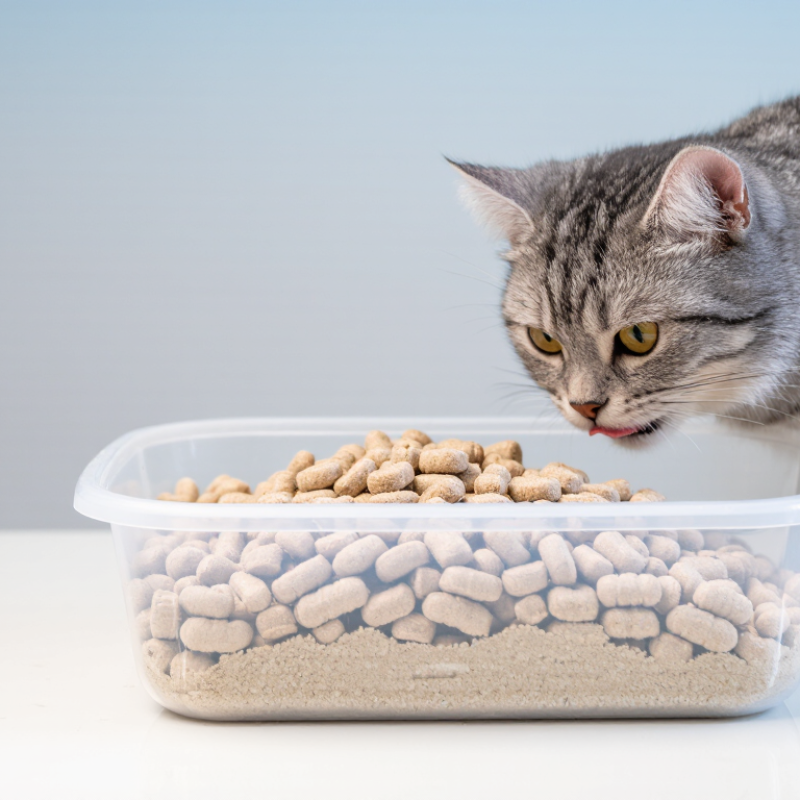
Unscented clumping litter has two distinct jobs: avoid added fragrance and bind urine into removable clumps. “Unscented” does not mean odorless. It means the product is not designed to mask smells with perfume. I would be cautious about any claim of perfect odor control; that sounds too absolute. Many clumping formulas use swelling clay, such as bentonite, while other materials can also form clumps. Buyers should check the ingredient declaration and test the product, not rely on the label alone. Small details count. A firm clump should lift cleanly without leaving a wet layer stuck to the tray.
The APPA 2023–2024 National Pet Owners Survey estimates that 46.5 million U.S. households own cats. That large user base makes consistent product performance important for suppliers. In practical quality checks, compare clump strength, dust, tracking, and odor control under the same conditions. Use equal litter depths and measured liquid amounts. Then scoop after a consistent waiting period. A pale dusty film on the tray or crumbling clumps can signal problems, though results may vary with the cat and home.
Tips: Ask suppliers for recent test methods and batch-level quality records. Try a small sample in a real litter box before placing a large order. Keep ventilation in mind, too; unscented litter still needs regular cleaning.
Assessing unscented clumping litter starts with clear product information. Ask the supplier for a full ingredient list, safety documentation, and details about material sourcing. Check whether batch specifications stay consistent, since changes in granule size or moisture can affect use. Unscented does not automatically mean dust-free or suitable for every cat. Watch the dust. A sample poured slowly into a clean tray can reveal airborne particles and uneven granules.
Test performance under ordinary conditions, not just from a product sheet. Add a consistent depth of litter, then check whether wet clumps lift intact without sticking heavily to the tray. Clumps should hold. Note how quickly the litter absorbs liquid and whether loose granules remain around the edges. A small, controlled trial can also track odor, tracking, and how often the tray needs cleaning. Keep observations simple and dated.
Supplier claims deserve verification. Request samples from more than one production batch if possible, and compare appearance, dust, and clump strength. A quick test cannot predict every cat’s response; an initial impression may be wrong. Introduce any new litter gradually, and watch for changes in use or comfort. Ask how the supplier handles quality checks and customer feedback, rather than relying only on polished descriptions.
China Best Unscented Clumping Cat Litter Supplier?
When evaluating Chinese manufacturers, look beyond a polished sample and a low quotation. Ask whether the supplier owns the factory or outsources production, and request a recent quality-control report. Check raw-material sources, batch traceability, production capacity, and export experience.
For unscented clumping litter, request test results for dust, moisture, clump strength, and odor control. Ask how each result was measured. An independent laboratory can verify claims against an agreed specification. Details matter.
The American Pet Products Association’s 2024 State of the Industry report estimated U.S. pet industry spending at $147 billion in 2023. That figure signals broad demand, not proof that any litter supplier meets your standards.
Compare samples under the same conditions: use equal litter depths, measured water volumes, and consistent waiting times. Record clump breakage and visible dust. A supplier’s own test is useful, but it is not independent evidence. Request sample labels, batch numbers, and a written process for handling failed inspections.
Video calls can show equipment, but they cannot replace an on-site audit. I would not judge a factory by one perfect sample; real consistency across production batches is harder to assess, and buyers sometimes overlook that.
China Best Unscented Clumping Cat Litter Supplier?
Which Certifications and Export Services Should Buyers Check?
When assessing a supplier, request current certificates and confirm the issuing body, scope, and expiry date. A factory certificate may not cover the litter itself. Ask for proof. Check recent test reports for clumping strength, dust levels, moisture, and odor control. Ensure the tested sample matches the product specification. For unscented litter, request confirmation that fragrance is not added, supported by ingredient records or a product declaration. Documents should be traceable to a batch.
The export file matters too. Check that the supplier can prepare a commercial invoice, packing list, and other destination-specific documents accurately. Ask who verifies product descriptions and tariff codes; confirm classification with your customs broker. Clarify Incoterms, payment milestones, lead time, and responsibility for port charges before production. Small gaps become expensive.
Request carton dimensions, pallet details, and loading photos before shipment. If moisture protection matters, ask how liners and container loading are handled. Confirm batch labels and retained samples support later quality checks. A responsive exporter should answer questions in writing and state any limits plainly. That helps. Still, paperwork is not a substitute for independent inspection. I would compare a pre-shipment sample with the approved reference, even when the factory’s records look tidy. One detail can be missed.
For buyers comparing Chinese suppliers, the best fit depends on product consistency, communication, and shipping requirements. Unscented litter should have no added perfume, but its natural material may still carry a mild earthy smell. Ask how the supplier controls dust and checks each production batch. Small details matter.
Request samples from more than one batch, not just a polished sales sample. Pour the litter from a fixed height and observe airborne dust. Then add water and check whether the clumps hold together during scooping. A clump that breaks easily can leave wet residue in the tray. Track absorption, granule size, and odor control in a simple test log. Your results may differ from a supplier’s claims, so repeat tests at home or with local users.
Match packaging and order quantities to your market. Smaller bags may suit urban buyers, while larger formats can reduce packaging per kilogram but cost more to ship. Ask for written specifications, batch records, sample lead times, and clear answers about minimum orders. Compare delivered cost, not just the quoted price. A responsive supplier is useful, though quick replies alone do not prove dependable quality. Check how they handle a delayed shipment or a batch that misses the agreed specification before committing to regular orders.
It has no added perfume and forms removable clumps when wet. Unscented does not mean odorless.
It may have a mild earthy smell from its natural material. That can be noticeable.
Add a measured amount of water, wait consistently, then scoop. A good clump lifts without leaving a wet layer.
Check clump strength, dust, tracking, absorption, and odor control under the same conditions. Keep a simple test log.
No. Request samples from different batches and repeat the test at home. Small tests help.
Pour the litter from a fixed height and watch for airborne dust or a pale film on the tray.
Ask for written specifications, batch records, test methods, sample lead times, and clear minimum-order details.
Match bag sizes to local needs, then compare delivered cost. Larger bags may reduce packaging per kilogram, but shipping can cost more.
This guide explains what defines Unscented Clumping Cat Litter and how buyers can assess its key qualities, including clumping strength, odor control without added fragrance, dust levels, absorbency, and ease of cleaning. It also highlights practical safety and performance considerations, such as ingredient transparency, consistent product quality, and packaging suited to storage and transport.
For buyers comparing Chinese manufacturers and suppliers, the article outlines ways to review production capabilities, quality-control procedures, communication, and export support. It also describes the certifications and documentation buyers may wish to verify for their destination market, along with services such as sampling, packaging options, and shipping coordination. By matching these factors to local customer preferences, budget, and order requirements, buyers can make a more informed supplier choice.