Kurtuluş, Sami Yücel Cd. No:44/2, Fatsa / Ordu – Türkiye +90 (452) 716 52 52 [email protected]
0%

In 2026, wholesale buyers need more than attractive packaging and low unit prices. High Absorption Cat Litter can reduce wet patches, control odor, and improve cleaning efficiency. However, absorption claims vary widely between suppliers. Practical testing remains essential.

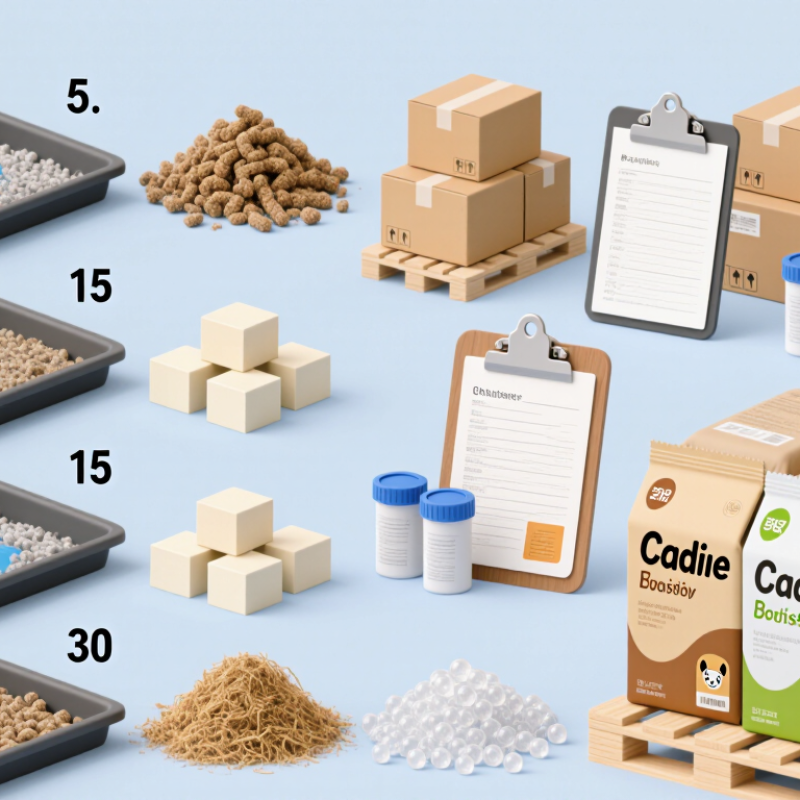
This guide examines absorbency, clumping speed, dust levels, odor control, and material consistency. It also considers packaging strength, pallet stability, minimum order quantities, and lead times. A reliable evaluation should use equal litter volumes and measured liquid amounts. Observe the results after five, fifteen, and thirty minutes. Check the bottom of the tray. Look for residue.

Supplier experience matters.

Manufacturers should provide clear specifications, batch records, safety information, and recent quality reports. Buyers can request samples from different production batches. This step may reveal differences hidden by polished product descriptions. Customer feedback also helps, but it should not replace controlled testing. Some data may be incomplete. That limitation deserves attention.

A strong wholesale decision balances performance, price, logistics, and customer expectations. Bentonite, tofu, silica, and plant-based formulas each offer different advantages. Retail markets also differ by climate, storage conditions, and cat-owner preferences. A product that performs well in a dry warehouse may behave differently in humid conditions. Careful buyers should test locally before committing to large volumes. This guide provides practical criteria for comparing suppliers and selecting High Absorption Cat Litter with greater confidence. Not every “premium” claim will survive a real tray test.
2026 Top High Absorption Cat Litter Wholesale Guide

What Makes High-Absorption Cat Litter Effective in 2026

In 2026, high-absorption cat litter is judged by more than a dry surface. A practical warehouse test should measure liquid uptake, clump strength, odor control, and drying time. Pour a fixed amount of water into equal litter samples. Then weigh each sample after five minutes. This simple method reveals inconsistent batches quickly.

Effective litter pulls moisture below the surface and forms a firm, removable clump. It should not crumble when lifted with a scoop. Fine particles may improve coverage, but excessive dust can irritate cats and workers. Low-dust screening matters during wholesale inspection. Odor control also depends on fast absorption, airflow, and clean storage. Strong perfume is not a substitute for performance.

Wholesale buyers should request batch records, material specifications, moisture content, and independent safety testing. Packaging must resist humidity, especially during long warehouse storage. A damaged inner bag can ruin an otherwise reliable product. Pallet compression deserves attention too. It is often overlooked. Absorption claims need realistic conditions, not laboratory numbers alone. A litter that performs well in a dry room may behave differently in humid homes. Testing should include several temperatures and repeated samples. No formula is perfect. That limitation should remain visible in purchasing decisions.

Main Types of High-Absorption Cat Litter for Wholesale Buyers

High-absorption cat litter is not one product category. Wholesale buyers should compare material, absorption speed, dust control, odor management, and disposal expectations. In warehouse trials, litter that absorbs quickly can still perform poorly if clumps break during scooping. That small detail affects complaints and repeat purchases. Test several batches, because moisture content and granule size may vary between production runs.

Bentonite clay forms firm clumps and suits multi-cat households, though heavier pallets increase freight costs. Tofu-based litter absorbs liquid well, feels lighter, and often produces softer tracking. Its performance may decline in humid storage.

Silica gel crystals lock in moisture and can last longer, but some cats dislike the unfamiliar texture. Wood and paper pellets provide useful absorption, yet they usually need more frequent removal. No option is perfect. I have found that buyers sometimes overvalue laboratory figures and undercheck real tray behavior.

Tips: Request independent test data, then run a seven-day sample trial. Inspect clump strength, dust, tracking, and odor after repeated use. Store cartons above damp floors. Ask suppliers about batch consistency, packaging damage, and replacement procedures. A low unit price can become expensive when wet litter arrives or customers reject it.

How to Compare Absorption, Odor Control, and Clumping Performance

2026 Top High Absorption Cat Litter Wholesale Guide

Wholesale buyers should compare litter under repeatable conditions, not packaging claims alone.

I test samples in identical trays with 500 milliliters of water. The test uses room-temperature liquid and a 30-minute waiting period. I record surface wetness, remaining moisture, and material spread. High absorption should leave a relatively dry tray base. A single test is not enough.

Odor control needs a separate check. Place used litter samples in sealed containers for several hours. Then assess odor from a safe distance. Mineral, plant-based, and mixed formulas may behave differently in humid warehouses. Ask suppliers for ingredient details, safety documents, and batch testing records. Fragrance can mask odor briefly. It does not always solve it.

Clumping performance affects labor and product waste.

Strong clumps should form quickly, stay intact during scooping, and resist sticking to the tray. Measure clump size after 10 minutes and again after 30 minutes. Fine dust, tracking, and broken edges also matter. I once favored fast clumping, then noticed excessive waste during daily cleaning. That mistake changed my scoring system. Compare all three factors using samples from multiple batches.

Wholesale Sourcing, Quality Standards, and Supplier Evaluation

For 2026 wholesale sourcing, high-absorption cat litter should be assessed by measured performance, not attractive claims. During warehouse trials, record grams absorbed per kilogram, drying speed, and clump strength. Use standardized liquid and identical containers. Run three repeats. Small details matter. A dusty sample can increase handling complaints, even when absorption looks strong.

Quality standards should cover particle size, moisture content, odor control, dust release, packaging strength, and batch consistency. Ask suppliers for current test reports, safety data, ingredient disclosure, and traceable batch numbers. Check whether reports match the supplied sample. Paperwork alone is not proof. For export orders, confirm labeling, pallet design, inner liners, and storage guidance before signing. These checks help reduce leakage and transport damage.

Supplier evaluation needs more than a low unit price. Request a pilot order and inspect cartons after vibration, compression, and humidity exposure. Compare response time, replacement procedures, production capacity, and lead-time accuracy. A supplier that answers clearly is easier to manage. Still, no laboratory test predicts every household. A previous review underestimated how strongly fine particles affected retail staff, so actual handler feedback should be included. Record any deviation and ask how the next batch will be corrected.

Storage, Packaging, Pricing, and Bulk Order Considerations

For 2026 wholesale planning, high-absorption cat litter should be evaluated beyond the product label. Warehouse experience shows that moisture ruins performance before customers open a bag. Store pallets on raised, dry surfaces, away from walls and direct sunlight. Keep room humidity monitored, not guessed. Use first-in, first-out rotation and record lot numbers. Simple records help trace odor, dust, or clumping complaints. They also expose weak storage habits.

Packaging needs a practical balance between barrier protection, handling, and disposal. Multi-layer bags can resist humidity, while reinforced seals reduce leakage during container movement. Check each carton for crushed corners and loose closures during receiving. Small failures become expensive. Inner bags, carton size, pallet pattern, and stretch wrap affect usable warehouse space.

Request pre-shipment samples, absorption results, moisture data, and safety documentation. Keep samples sealed. Testing should use the same liquid volume and waiting time for every supplier. Otherwise, comparisons look precise but remain misleading. This is where many buying teams rush.

Pricing should include more than the quoted unit figure. Compare material cost, packaging, palletization, inland transport, inspection, duties, and storage losses. For bulk orders, negotiate volume tiers without sacrificing inspection rights. Confirm minimum order quantity, production lead time, replacement terms, and acceptable weight variance in writing. A lower price may hide weaker bags or higher dust. Ask for a pilot shipment before committing to a full container. Pilot before scaling. Review performance after seven and thirty days. Results can change with climate and litter-box habits. Not every forecast survives real warehouse conditions, so leave room for adjustment.

FAQS

What should wholesale buyers compare when selecting high-absorption cat litter?

Compare absorption speed, clump strength, dust, tracking, odor control, and disposal needs. No option is perfect. Test several batches before ordering.

How do different litter materials perform?

Bentonite clay creates firm clumps but increases pallet weight. Tofu-based litter feels lighter and absorbs liquid well. Silica crystals retain moisture but may feel unfamiliar to cats. Wood and paper pellets often require more frequent removal.

How can buyers test absorption consistently?

Use identical trays and add 500 milliliters of room-temperature water. Wait 30 minutes. Record surface wetness, remaining moisture, and material spread. A dry tray base usually indicates stronger absorption.

How should odor control be evaluated?

Place used samples in sealed containers for several hours. Assess odor from a safe distance. Test in humid conditions when possible. Fragrance may hide odor briefly, but it does not always solve the problem.

Why does clumping performance matter during wholesale evaluation?

Strong clumps reduce cleaning labor and material waste. Check clumps after 10 minutes and again after 30 minutes. They should stay intact during scooping and resist sticking. My earlier scoring favored speed too much.

What quality information should buyers request from suppliers?

Request test reports, safety data, ingredient details, and traceable batch numbers. Check particle size, moisture content, dust release, packaging strength, and batch consistency. Paperwork alone is not proof. Compare documents with the actual sample.

How can buyers reduce transport and storage problems?

Keep cartons above damp floors. Inspect packaging after vibration, compression, and humidity exposure. Confirm pallet design, inner liners, labels, and storage guidance. Wet cartons can erase a low unit price.

What should a supplier evaluation include beyond price?

Request a pilot order before placing a large purchase. Measure response time, replacement procedures, production capacity, and lead-time accuracy. Ask how deviations will be corrected. Actual handler feedback matters.

Conclusion

This 2026 guide explains how High Absorption Cat Litter is designed to capture moisture quickly, reduce tracking, control odors, and form firm clumps that simplify daily cleaning. Wholesale buyers will learn about major litter types, including clay-based, plant-based, silica, and blended formulas, along with the performance differences that affect customer preferences and product positioning. Key evaluation factors include absorption speed, liquid retention, odor neutralization, dust levels, clumping strength, safety, and ease of use.

The guide also covers practical wholesale sourcing, such as checking raw material consistency, production capacity, quality testing, packaging durability, and supplier communication. Buyers will gain advice on selecting suitable bag sizes, protecting products during storage and transportation, calculating landed costs, setting competitive pricing, and planning bulk orders according to demand. By comparing performance data and supplier reliability together, businesses can build a stable, cost-effective product range that meets modern pet-care expectations and supports long-term wholesale growth.


Amelia

Amelia

Amelia is a dedicated marketing professional with a strong understanding of product strategy, customer needs, and market trends. As a valued member of our team, she regularly contributes expert articles to the company website, sharing practical insights, educational guidance, and thoughtful......